How to Read a Job Description: Must-Haves, Nice-to-Haves, and Wish Lists
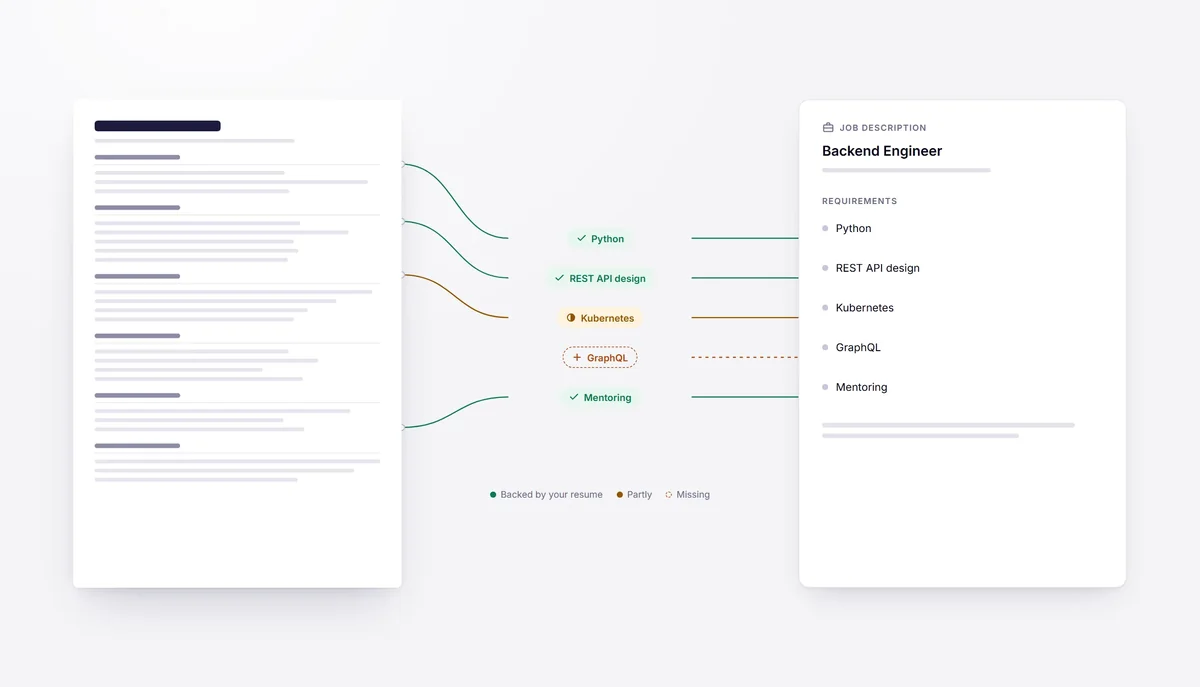
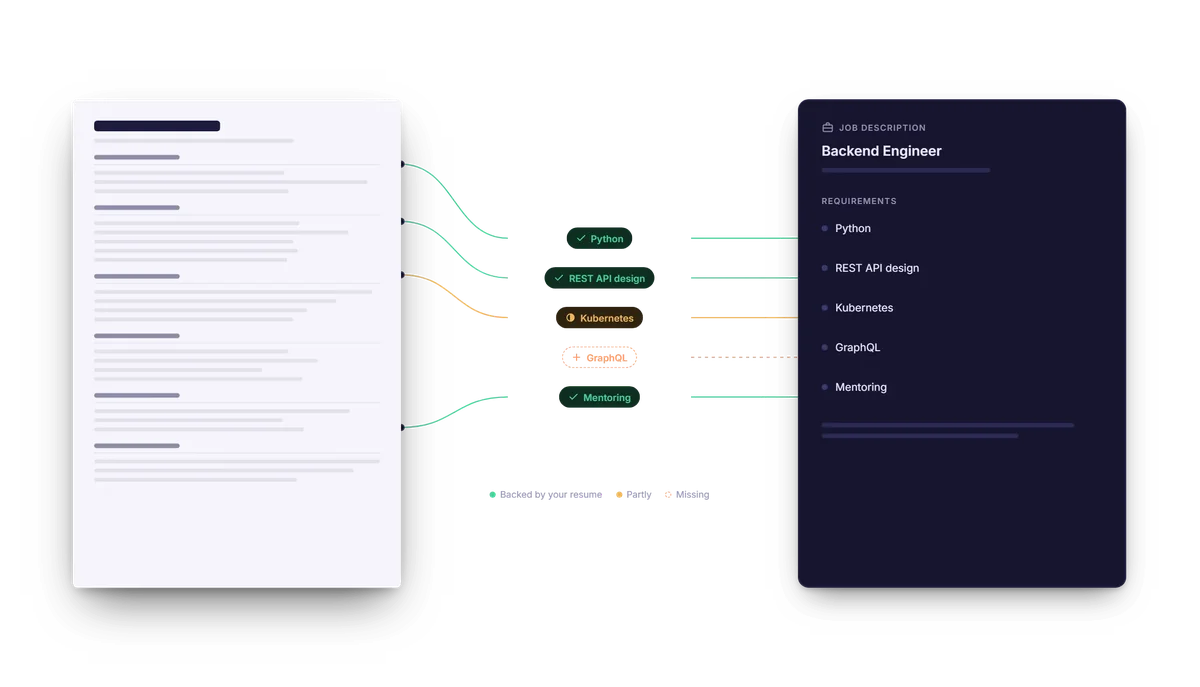
A job description is not a precise specification. It is a document written, usually, by a hiring manager, a recruiter, and sometimes a committee, drawing on a template, an older posting, and a wish list. Reading it well is one of the most useful skills in a job search, because it shapes every decision that follows: whether to apply, what to put on your resume, and what to prepare for the interview.
The anatomy of a posting
Most descriptions contain the same parts, and each tells you something different.
- The title. Titles vary between companies, and the same title can mean quite different work. Do not rely on it alone.
- The summary. The opening paragraph often reveals the purpose of the role: why it exists and what it is meant to change.
- Responsibilities. What you will do day to day. The first few items usually carry the most weight.
- Requirements or qualifications. What the employer hopes you already have.
- Nice-to-haves or preferred skills. Extras that would help but are not essential.
- About the company and benefits. Culture, values, and perks, which tell you how the employer wants to be seen.
Separate the must-haves from the wish list
Employers often list ten or fifteen requirements, but only a few truly matter. To find them, look for these clues.
Order and repetition. Items near the top, or ones that appear in several sections, are usually the core. If "stakeholder management" appears in the summary, the responsibilities, and the requirements, it is central.
Wording. "Must have," "required," and "you will need" are firmer than "ideally," "a plus," "familiarity with," or "exposure to." Phrases like "or equivalent experience" indicate flexibility.
Years of experience. Numbers like "5 to 7 years" are often approximate and reflect a general level of seniority, not a strict cut-off. A person with four strong years sometimes beats someone with seven mediocre ones.
Tools and technologies. Tool lists are frequently padded. Ask which tools you would use daily and which are simply "nice to know." If you have used a close equivalent, you can often learn the specific tool quickly, and you can say so.
Read for what the job is really about
Look past the list and ask: what problem is this person being hired to solve? A few examples:
- A posting stressing "building processes" and "setting up" suggests a young or fast-growing team that needs someone to create structure.
- Emphasis on "maintaining" and "supporting" suggests a stable operation where reliability matters more than invention.
- Frequent mention of "cross-functional" work suggests you will spend a lot of time persuading people you do not manage.
- A long list of unrelated duties, from sales to data entry to event planning, can point to a small team where one person does many jobs, or to an unclear role.
These signals help you decide whether the job suits you, not just whether you suit it.
Watch for red flags
Not every warning sign is serious, but they are worth noticing:
- Vague responsibilities with no clear outcome
- An unrealistic mix of skills for the salary or level
- Phrases like "fast-paced," "wear many hats," or "work hard, play hard" used in place of specifics, which can hide long hours or poor organisation
- No salary information where it is common or legally required to include it
- Reposted openings that have been up for months
None of these means you should avoid the job, but each is a prompt to ask questions in the interview.
Should you apply if you do not match everything?
Often, yes. Hiring managers rarely find someone who ticks every box, and many roles are filled by people who met most of the core requirements and could grow into the rest. A common rule of thumb is that if you meet the main responsibilities and most of the must-haves, it is worth applying. If you are missing the central requirement, such as a legal licence, a required qualification, or the core skill the job revolves around, it is probably not the right move.
Be realistic rather than either overconfident or overcautious. The honest question is: could I do the main part of this job well within a few months, and can I show evidence that I can learn the gaps?
Turn the posting into a checklist
Once you decide to apply, use the description as your guide.
- List the top five to eight requirements in order of importance.
- Next to each, write your evidence: a role, project, or result that shows it.
- Mark the gaps and decide how to handle each: a related experience, a course in progress, or a plain acknowledgment.
- Use the employer's words where they truly describe what you did. If the posting says "customer onboarding" and you wrote "client induction," switch to their term so that both a person and a search tool recognise it.
Be careful with that last step. The aim is to describe your real experience in language the employer uses, not to claim things you have not done. If you have not used a particular tool, do not add it to your skills.
Prepare for the interview from the same document
The posting also predicts the interview. The responsibilities become behavioural questions, and the requirements become the areas you will be tested on. Prepare a short example for each of the top requirements, and a question or two about the parts you could not understand from the posting. It is also worth looking for what is missing: if the description never mentions a team, ask who you would work with.
Read it twice: once to decide whether to apply, and once, more slowly, to decide how to present yourself. A few extra minutes spent this way is the cheapest improvement you can make to any application.