How to Track Your Job Search So Nothing Falls Through the Cracks
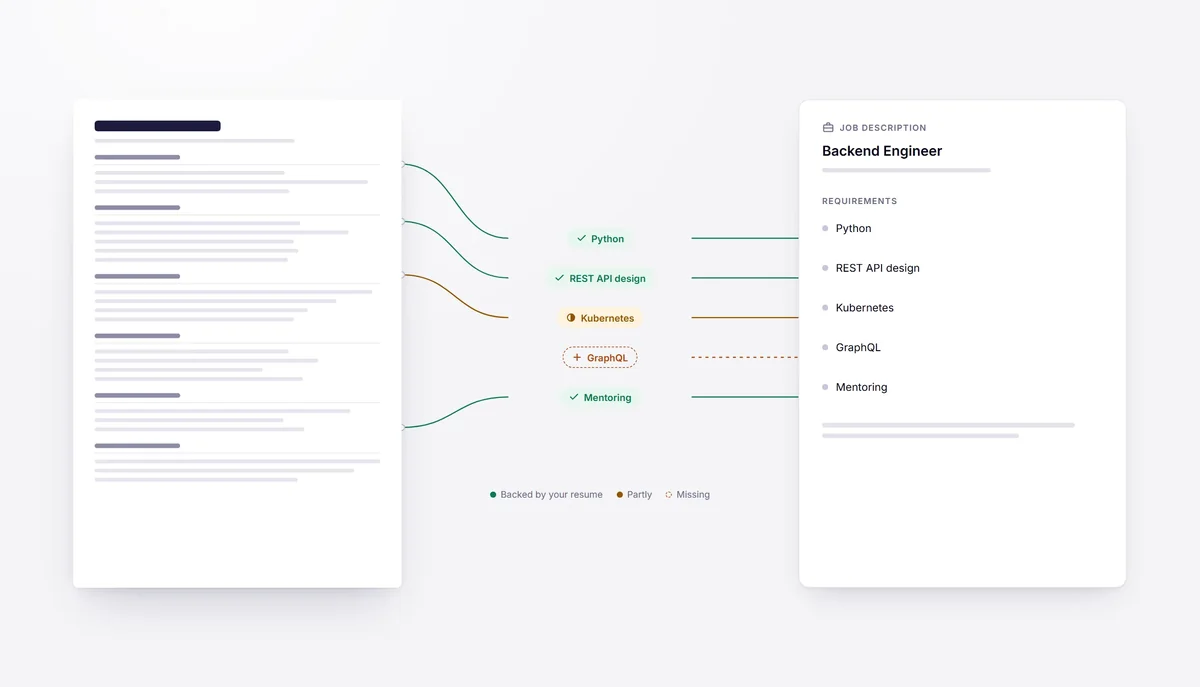
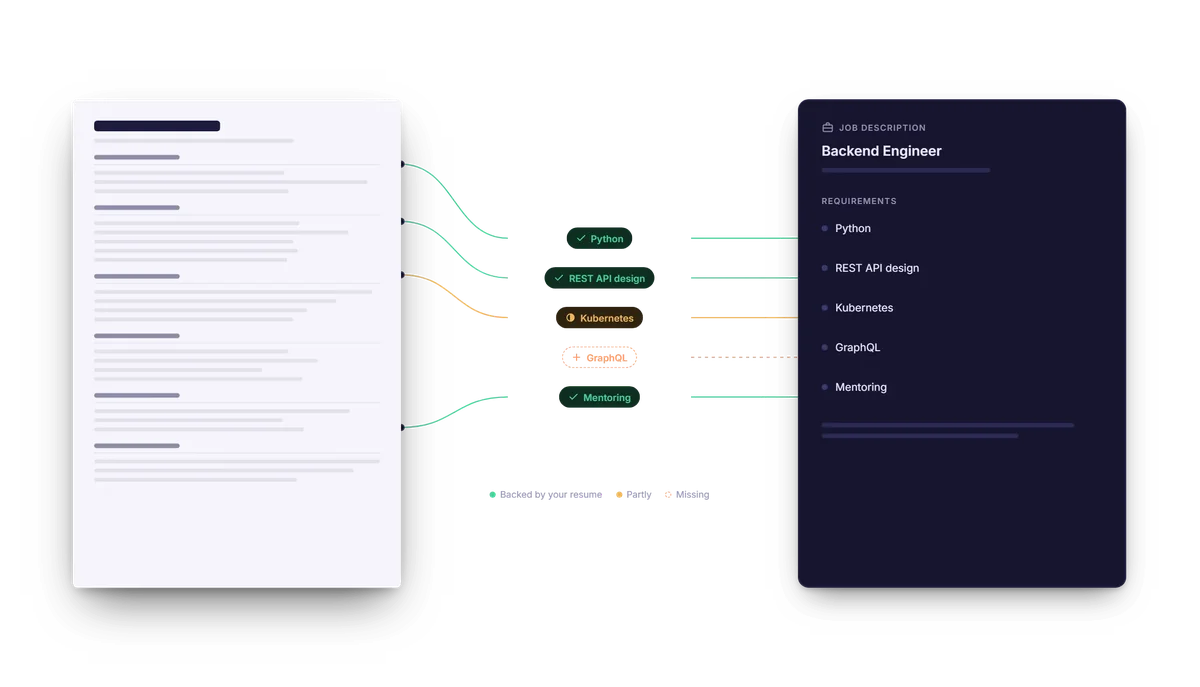
A serious job search can involve dozens of applications, each at a different stage, with different contacts, different versions of your resume, and different deadlines. Without a system, details slip. You forget which version you sent, miss a follow-up, or are caught unprepared when a recruiter calls about a role you applied for three weeks ago and barely remember.
A tracking system fixes this. It does not need to be elaborate. A simple spreadsheet, a notes document, or a dedicated tool will do, provided you actually keep it up to date.
What to record for every application
At minimum, capture:
- Company and role title
- Link to the posting, and a saved copy of the description, because postings are often removed once the role closes
- Date applied and the method, such as the company site, email, or a recruiter
- Which resume and cover letter version you sent
- Contacts: recruiter, hiring manager, anyone who referred you, with how to reach them
- Current status
- Next action and date
- Notes: what you learned about the role, salary range if known, and any concerns
The "next action and date" field is the most important. It is what keeps the process moving. Every entry in your tracker should always have a clear next step, even if it is "wait until the 20th, then follow up."
A simple pipeline of stages
Define a small number of stages so you can see where everything stands at a glance. For example:
- Interested. A role you have saved but not yet applied to.
- Applied. You have submitted your application.
- Screening. A recruiter or hiring manager has been in touch.
- Interviewing. You are in one or more interview rounds.
- Offer. You have received an offer and are considering it.
- Closed. Rejected, withdrawn, or accepted, with a note on why.
Move each entry through the stages as things change. Looking across the pipeline, you can see at once how much is in progress and where you are stuck.
Schedule your follow-ups
Most follow-ups fail not from lack of intent but from lack of memory. As soon as you apply, add a reminder for a week or two later. After each interview, note the stated decision date and set a reminder for a polite check-in just after. Our guide to following up covers the wording.
Review the tracker at a regular time, such as ten minutes each morning, to see what needs attention that day. A short, regular habit works better than occasional large clean-ups.
Track versions of your resume
If you tailor your resume for different roles, record which version went where. It matters for two reasons. First, if you are called for an interview, you need to know exactly what the employer has read, because interviewers will ask about what is on the page. Second, if you notice that one version produces more replies than another, that is useful information.
Name your files consistently, such as "Firstname-Lastname-Resume-Company-Role," and keep a master copy with everything you have done, from which each tailored version is drawn.
Learn from the numbers
Over a few weeks, patterns appear. Count roughly how many applications lead to a reply, how many replies lead to a conversation, and how many conversations lead to an interview. These are not scientific measures, but they point to where the problem is.
- Many applications, few replies: The resume or the targeting needs work. Check whether the roles match your experience, and whether the resume reflects what each job asks for.
- Replies but few interviews: Your first conversations may need attention. Practise how you describe yourself and why you want the role.
- Interviews but no offers: Focus on interview preparation, stories, and follow-up.
Changing one thing at a time makes it easier to see what helps.
Protect your wellbeing
Job searching is emotionally demanding, and a tracker helps by turning a vague anxiety into a visible plan. You can see how much you have done, and the list of next actions replaces the nagging feeling that you are forgetting something.
A few additional habits help:
- Set weekly goals based on actions you control, such as a number of tailored applications or conversations, rather than outcomes you do not, such as offers.
- Record small wins, like a reply, a useful conversation, or an interview, not only job offers.
- Close entries cleanly. When a role ends in a rejection, mark it closed, note anything you learned, and move on. Do not leave dead entries cluttering the list.
- Take breaks. A tracker should reduce pressure, so keep days when you do not look at it.
Keep it light
The best system is the one you will actually use. A spreadsheet with ten columns that you update every day is better than a sophisticated tool you abandon after a week. Start simple and add fields only when you notice you need them. Fifteen minutes of consistent organisation will save you hours of confusion, and more importantly, it will make sure that when an opportunity arrives, you are ready for it.