A One-Week Interview Preparation Plan That Actually Fits Around Your Life
A good interview invitation brings a burst of excitement followed quickly by a worry: how do I prepare for this properly, with a job, a family, or other applications competing for my time? The answer is that preparation does not need to be exhausting. It needs to be structured. With about an hour a day over a week, you can cover what matters.
This plan assumes you have roughly seven days. If you have less, compress the early days; if you have more, spend longer on practice.
Day 1: Understand the role
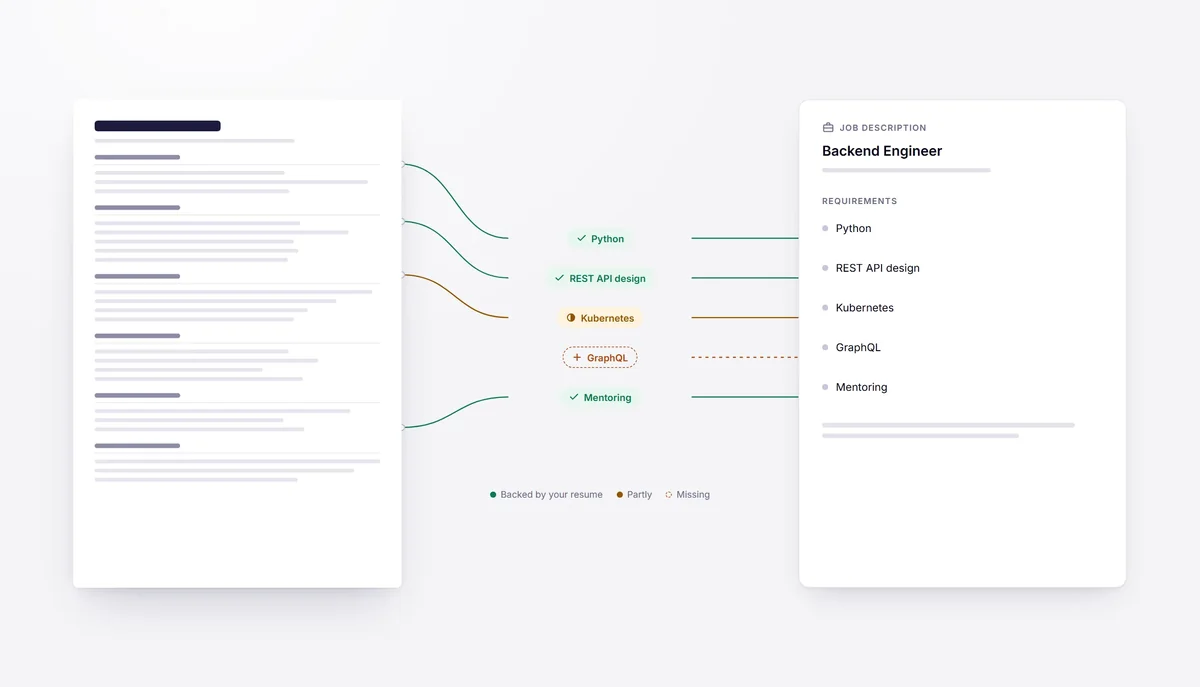
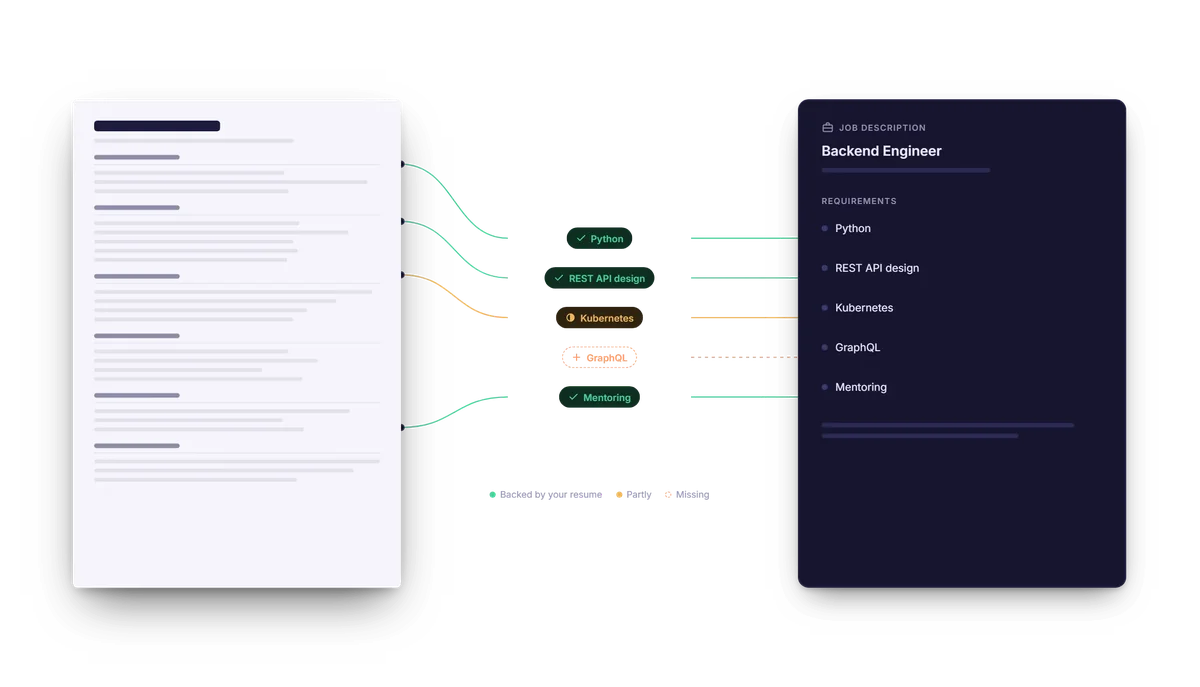
Start with the job description, because it predicts the interview.
- Highlight the five or six most important requirements and responsibilities.
- Write one or two sentences about how you meet each, with an example from your own work.
- Note anything you are unsure about, so you can ask about it or prepare a bridge from related experience.
Then re-read your own resume as an interviewer would. Every line on it is fair game, so be ready to explain each role, result, and gap. If something on it makes you uncomfortable, decide now how you will talk about it.
Day 2: Research the organisation
Spend your hour learning about the employer. You do not need to memorise a company history. You need enough to speak sensibly about what they do and why it interests you.
- Read the company's own site, especially pages about products, customers, and recent news.
- Look at recent announcements, reports, or press coverage, and note one or two things you could comment on.
- Find out who will interview you, if you have been told, and read their professional background. Common ground can make conversation easier.
- Write down three reasons you want this job at this organisation, specific enough that they could not apply to any employer.
Interviewers often ask "Why us?" and a vague answer is one of the commonest reasons candidates fall flat.
Day 3: Build your story bank
Most interviews include behavioural questions: "Tell me about a time when..." Prepare six to eight stories using the STAR structure (Situation, Task, Action, Result). Choose experiences that show things the employer cares about: results, teamwork, handling difficulty, learning, initiative, and a mistake you recovered from.
Write each as short bullet points. Include the numbers, such as team size, time saved, or the amount of money involved. One story can serve several questions, so you do not need an answer for every possibility.
Day 4: Prepare for the standard questions
Some questions come up in nearly every interview. Prepare short, honest answers to these:
- "Tell me about yourself." Aim for about a minute: where you are now, a couple of highlights from your past, and why you are interested in this role. Do not recite your life story.
- "Why do you want this role?" Link your interests and strengths to the work itself.
- "What are your strengths?" Choose two or three relevant ones and back each with a brief example.
- "What is a weakness?" Choose a real one that you are actively working on, and describe what you do about it. Avoid the false weakness, such as "I work too hard."
- "Why are you leaving?" Keep it positive and forward-looking, and never criticise a former employer.
- "Where do you see yourself in a few years?" Answer in terms of learning and contribution, not a specific title.
Write down key points, not scripts. If you memorise word for word, you will sound stiff and lose the thread if interrupted.
Day 5: Practise out loud
This is the step most people skip, and it is the one that helps most. Thinking through an answer is not the same as saying it. Say your answers aloud, ideally to a friend who will give honest feedback, or to a phone recording that you play back.
- Time your answers. Most should run between one and two minutes.
- Listen for filler words, rambling, and places where you lose the point.
- Practise the opening, because a smooth start settles nerves.
If the interview is on video, practise on the same platform, and check your camera angle, sound, and lighting while you do.
Day 6: Prepare your questions and your logistics
Write four or five questions to ask the interviewer. Good ones concern the role, the team, how success is measured, and what the first months look like. Our article on questions to ask at the end of an interview has plenty of examples.
Then sort out the practical details, because avoidable problems create stress:
- In person: Plan the route, check the travel time, and aim to arrive about ten minutes early. Know the name of the person to ask for.
- Video: Test the link, your internet, microphone, and background. Have a backup, such as your phone, ready.
- Materials: Print or save a few copies of your resume, a notebook, a pen, and any portfolio items.
- Clothing: Choose something clean, comfortable, and suited to the workplace, and try it on in advance.
Day 7: Light review and rest
Do a short, calm review of your key points, stories, and questions, then stop. Last-minute cramming raises anxiety without improving answers. Prepare everything you need for the morning, eat properly, and get a decent night's sleep.
On the day, arrive or log in early, take a few slow breaths, and remember that the interviewer wants to find a good candidate. They have a vacancy to fill, and a strong hire solves their problem.
During and after
During the interview, listen to the full question, pause briefly before you answer, and ask for clarification if you need it. It is fine to say, "Let me think about that for a moment." Keep your answers specific, honest, and structured.
Afterwards, write down what you were asked and how you answered while it is fresh, then send a short thank-you message within a day. Whether or not you get the job, those notes make the next interview easier, because preparation, like most skills, improves with a record of what worked.