Salary Negotiation Basics: What to Do When You Get an Offer
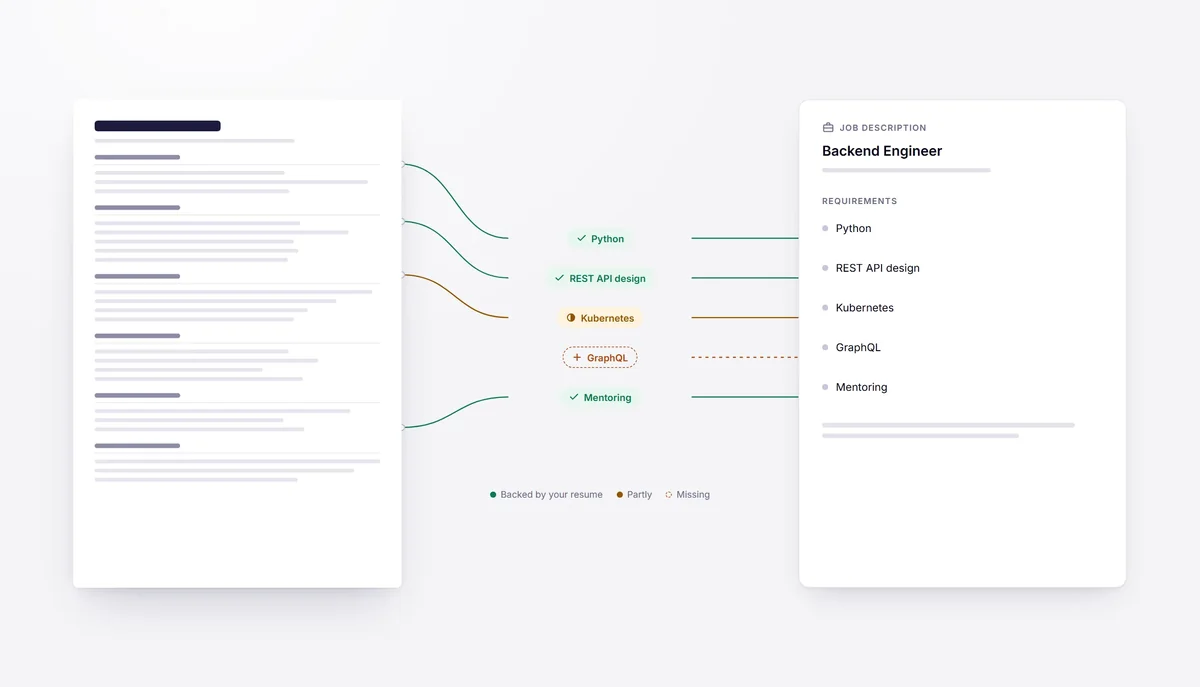
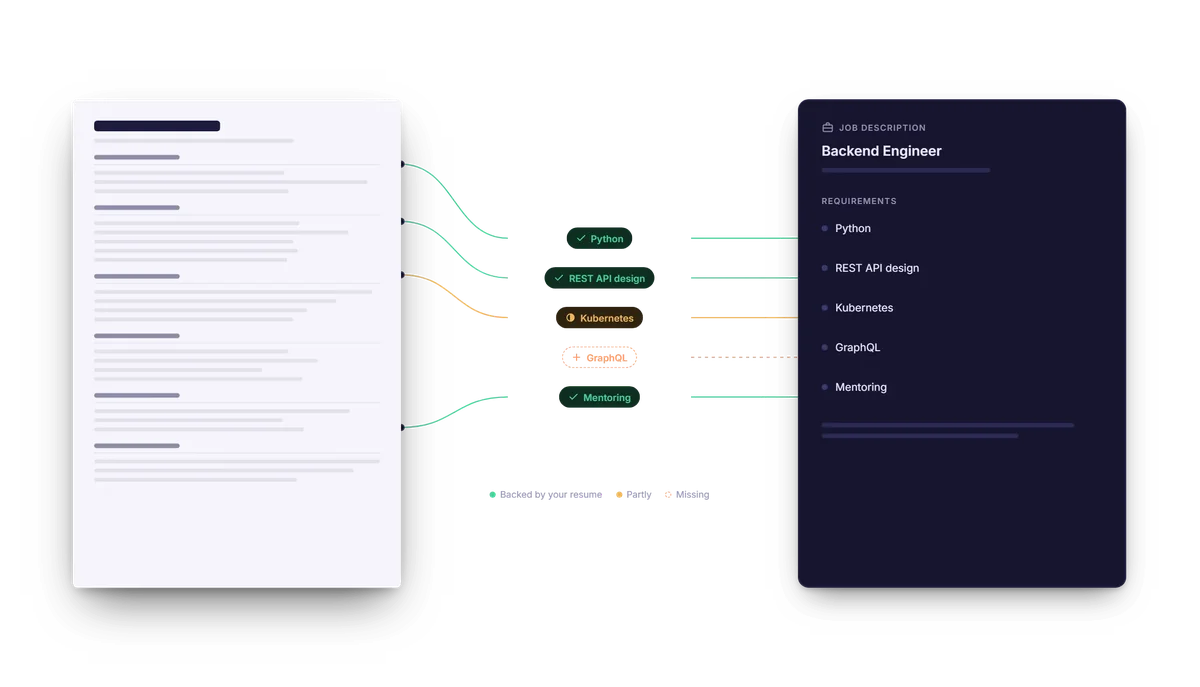
Receiving a job offer is a moment of relief, and it is also the point of greatest leverage you will have. The employer has spent time and money choosing you; they want you to say yes. Yet many people accept immediately, worried that asking for more will cost them the job. In most cases, a polite and well-supported request does not. Negotiation is a normal part of hiring, and employers expect it.
This article is general information and not financial or legal advice, and norms vary by country, industry, and company. Use it as a starting point.
Before you negotiate: know your numbers
Good negotiation begins with information.
- Research the market. Look at salary surveys, public pay ranges in job postings (increasingly required in many places), professional associations, and conversations with people in similar roles. Aim for a range, not a single figure.
- Consider your own situation. What do you need, and what would you be happy with? Decide your lowest acceptable offer and your target.
- Understand your value. Think about your experience, the results you have delivered, and any scarce skills. These are your reasons for asking, and they are better than "I would like more."
When they ask about your salary expectations
This question often arrives early, in a recruiter screen. There are several sensible responses.
- Turn the question around politely. "I'd like to learn more about the role first. Can you tell me the range budgeted for the position?"
- Give a researched range. If pressed, offer a range based on your market research, with the bottom end at a figure you would truly accept. Employers often anchor on the lowest number you mention.
- Be cautious about current pay. In some regions it is illegal for employers to ask about your pay history, and in others it is permitted. You can say you would rather focus on the value of the new role.
Avoid giving a figure before you understand the scope of the job. A role that includes management, travel, or on-call duties is worth a different amount than the posting alone suggests.
When you get the offer
Express thanks and enthusiasm first. This sets a positive tone. "Thank you, I am delighted to receive this offer, and I am excited about the team."
Do not accept or decline on the spot. Ask for the offer in writing, and request a reasonable time to consider it, often a few days. A sensible employer will agree.
Review the whole package. Salary is only one part. Consider:
- Base pay and any bonus or commission, and how it is calculated
- Pension or retirement contributions
- Holiday and leave, including sick and parental leave
- Working hours, flexibility, and remote options
- Training budget, qualifications, and career progression
- Health or other benefits
- Notice period, probation, and any restrictive clauses in the contract
- Start date, relocation help, or sign-on payments
Sometimes the employer cannot move on salary, but can offer more leave, a review after six months, a training budget, or a different start date.
Making the counteroffer
If the offer is below your target or the market, ask for more. A reasonable structure is:
- Thank them and reaffirm interest.
- Make your request clearly, with reasons. "Based on my research for similar roles in this region, and my experience leading a team of six, I was hoping for a salary closer to X. Is there flexibility to reach that?"
- Stop talking and let them respond. Silence is uncomfortable, but it is normal, and filling it with apologies weakens your position.
Choose a figure that is ambitious but defensible. If you ask for an amount far outside the range, you may seem uninformed. If you ask for a small increase, you may leave money on the table. Often a target slightly above what you would really accept leaves room for a compromise.
Be professional and collaborative. You are not opposing them; you are trying to reach an arrangement that works for both sides, as you will soon be colleagues.
What if they say no?
Sometimes the budget is fixed. You can then ask about other ways to bridge the gap:
- "Would it be possible to review my salary after six months, based on agreed goals?"
- "Is there flexibility on holiday or working arrangements?"
- "Could the sign-on payment or training allowance be increased?"
If they decline everything, decide whether the offer still works for you. It is acceptable to accept it, and it is acceptable to decline, but make that decision based on the full picture and not out of pressure.
Things to avoid
- Lying about other offers. If you have another offer, you may mention it honestly. Inventing one is risky and can end the conversation.
- Making ultimatums unless you are truly prepared to walk away.
- Negotiating by email alone when a conversation would be easier. Tone is hard to read in writing, and a phone call can resolve the point faster.
- Accepting verbally and then reopening terms. Once you agree, honour it.
- Basing the request on personal needs. Rent and bills are real, but employers respond to your value in the market, not to your expenses.
Get it in writing
When you reach an agreement, confirm all the terms in writing before you resign from your current job. Read the contract carefully, and if anything is unclear, ask or seek advice. A verbal promise is hard to prove later.
Practise it
If the idea makes you nervous, rehearse the key sentences aloud with a friend. It sounds odd, but it works: the first time you say "I was hoping for a salary closer to X" should not be in the actual conversation. Remember that you are asking a question, not making a demand, and the worst realistic outcome is usually a polite "no," after which you are exactly where you started.