The STAR Method for Interview Answers, and Where People Go Wrong With It
Many interviews are built on a single idea: past behaviour is the best available predictor of future behaviour. That is why you are asked questions that begin "Tell me about a time when..." These are called behavioural questions, and they are where well-prepared candidates pull ahead of those who rely on improvisation.
The most common structure for answering them is STAR: Situation, Task, Action, Result. It is not magic. It is a way of keeping a story short, clear, and aimed at the point the interviewer is probing for.
The four parts
Situation. Set the scene in one or two sentences. Where were you, and what was happening? Give only the context the listener needs. "I was a team lead at a regional retailer, and in the run-up to the holiday season our returns queue had grown to nearly three weeks."
Task. State your responsibility or the goal. What were you expected to do, or what needed to change? "I was asked to bring the queue under control without adding staff."
Action. This is the heart of the answer, and it should take the most time. Say what you did, step by step, and why. Use "I" for your own actions even when the work involved a team, and be clear about what was your decision. "I reviewed a sample of fifty returns and found that most delays were caused by a missing label step. I rewrote the checklist, trained the team in a short session, and set up a daily tally so we could see progress."
Result. End with the outcome, ideally with something measurable, and add what you learned if it is relevant. "Within five weeks the queue was down to four days, and we kept it there through the holidays. I now build a short daily metric into any process change."
Total length: about ninety seconds to two minutes. If you go much beyond that, the interviewer's attention drifts and the main point gets lost.
A worked example
Question: "Tell me about a time you had to deal with a difficult stakeholder."
Situation: "In my last role as a project coordinator, a department head kept changing requirements late in a website redesign."
Task: "I needed to keep the project on schedule without damaging the relationship, since we would work together for years."
Action: "I asked for a short meeting and listened to what was driving the changes. It turned out he was receiving feedback from his own team that never reached me. I proposed a single weekly review where his feedback would be collected, and agreed on a rule that anything new after sign-off would be scheduled for the next release rather than added mid-stream. I wrote the rule down and shared it with everyone."
Result: "Late changes dropped from about six a week to one or two, we launched on the original date, and he later asked me to coordinate his next project."
Notice the answer spends most of its time on the action, shows judgement rather than just persistence, and ends with a result and a hint of the relationship it preserved.
Build a story bank before the interview
You cannot invent good stories under pressure, so prepare them in advance. Choose six to eight experiences from your work, studies, or volunteering that show different things:
- A result you are proud of
- A time you handled conflict or disagreement
- A mistake you made and what you did about it
- A time you led or influenced others without authority
- A tight deadline or competing priorities
- A time you learned something quickly
- A time you improved a process
- A time you dealt with ambiguity or change
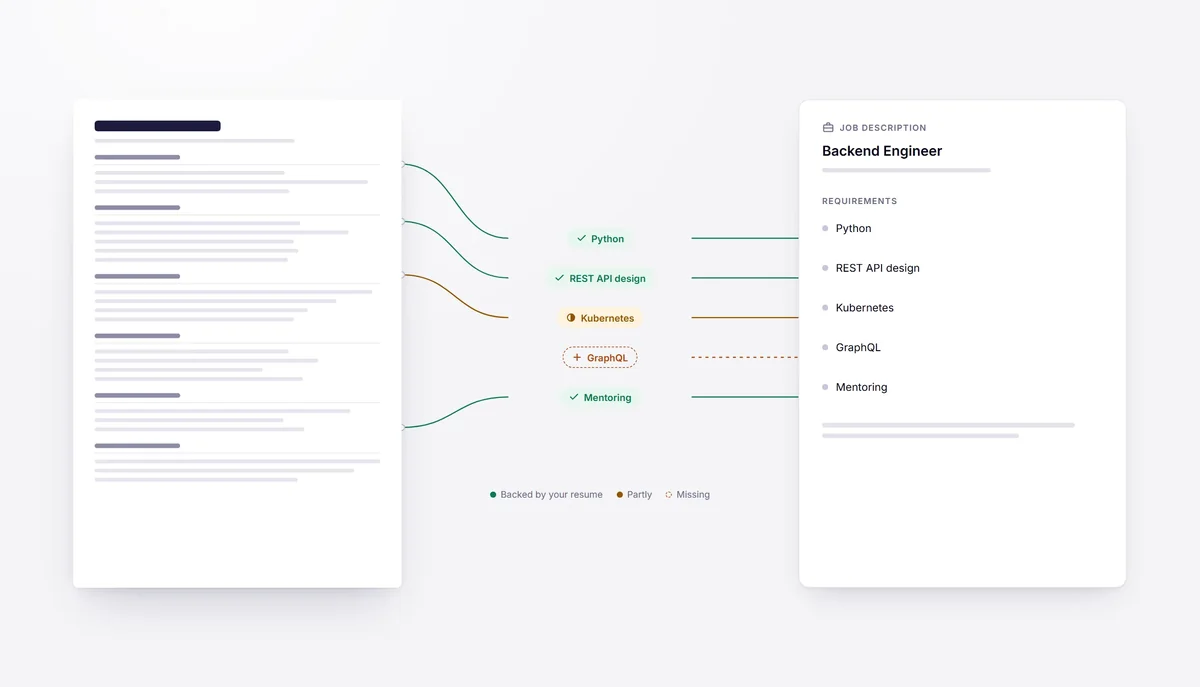
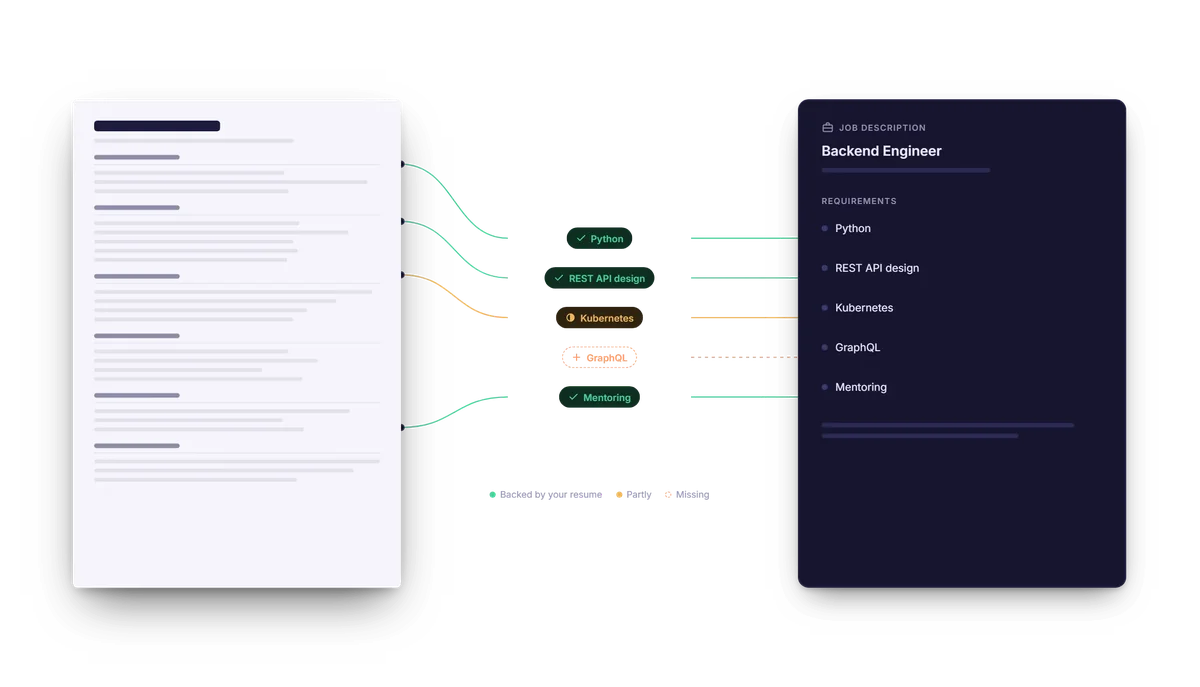
Write each as a few bullet points under S, T, A, and R, and note the numbers. One story can often answer several questions by changing the emphasis, so you do not need dozens. Then, before each interview, read the job description and decide which three or four of your stories best match what this employer values.
Common mistakes
Spending too long on the situation. Candidates love setting the scene because it is the comfortable part. Keep it to two sentences and get to what you did.
Saying "we" throughout. The interviewer is evaluating you. It is fine to credit the team, but make clear what you personally decided and did.
Skipping the result. An answer that ends with "and it went well" leaves the listener unsatisfied. Say what changed, preferably with a number or a concrete consequence.
Choosing a story that makes you look bad and then not recovering. For questions about failure, choose a real but manageable mistake, own it without blaming others, and spend most of your time on what you did to fix it and what you do differently now.
Reciting a script. Practise enough to be fluent, but not so much that you sound rehearsed. Know your story's key points and say them in your own words.
Answering a different question. If asked about conflict and you tell a story about hard work, you have not answered. Listen to the exact question, and if you need a moment, take one.
When you do not have a perfect example
Everyone has gaps. If you have no direct experience of what is asked, you can say so briefly, then offer the closest example: "I haven't managed a team formally, but I led a volunteer group of eight for a charity event, and here is what I did." Honesty combined with a relevant story is better than stretching a weak one.
You can also use hypotheticals when the question allows: "I haven't faced that yet, but this is how I would approach it." Use this sparingly, because interviewers want evidence from real experience.
A final point on tone
STAR is a scaffold, not a formula to announce. You do not need to say "The situation was..." Just let the shape be there while you speak naturally. Done well, the answer sounds like a person telling a short, well-organised story, and the interviewer comes away remembering what you did and how you think.