Salary Negotiation Basics: What to Do When You Get an Offer
Most people accept the first number because they are afraid of seeming greedy. A calm, practical approach to researching, asking, and negotiating a job offer.
5 min read
IntelliResume blog
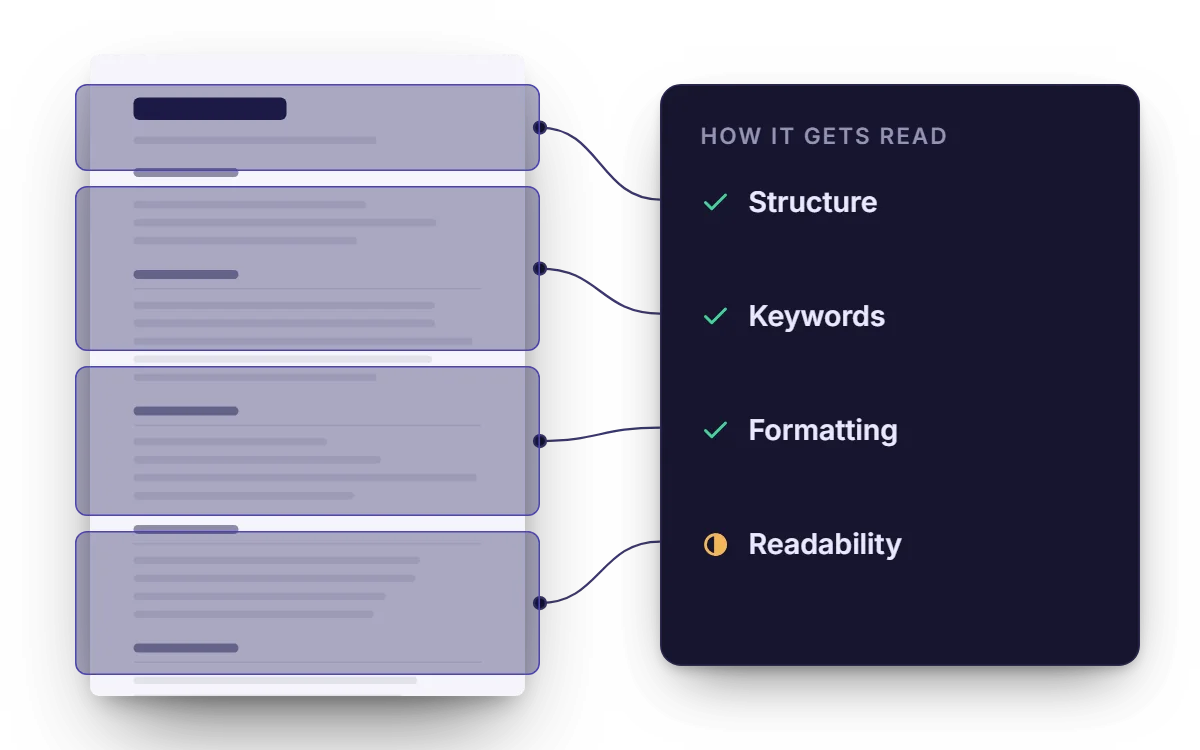
How resume screening really works, what the common advice gets wrong, and what to do instead.
Most people accept the first number because they are afraid of seeming greedy. A calm, practical approach to researching, asking, and negotiating a job offer.
When you are applying to many roles, details slip. A simple tracking system that keeps you organised, tells you what is working, and reduces stress.
A good reference can tip a close decision. How to pick the right people, ask them properly, brief them, and keep the relationship warm.
You got the interview, and it is next week. Here is a realistic day-by-day plan for research, practice, and logistics, with about an hour a day.
Job descriptions are written by committees and often ask for more than the job needs. Here is how to work out what an employer truly wants and decide whether to apply.
If you are a student or a new graduate, you have more to show than you think. How to build a convincing first resume from coursework, projects, and activities.
Silence after an application or interview is stressful. A well-timed, short follow-up helps. Here is when to send one, what to say, and when to stop.
"Do you have any questions for us?" is not a formality. Here are strong questions, what each one reveals, and the ones to avoid.
Situation, Task, Action, Result is a simple frame for behavioural questions. Here is how to use it well, with an example and the usual mistakes.
Changing fields does not mean your experience is worthless. It means you have to translate it. A step-by-step approach to the resume of a career changer.
Employment gaps are more common than people fear. Here is how to handle them on the resume, in a cover letter, and in an interview, honestly and briefly.
Most resume bullets describe a job description. The ones that get interviews describe what changed because you were there. A practical method with examples.
A good summary is three or four plain sentences that tell the reader who you are, what you are good at, and why it matters for this role. Here is how to write one.
The one-page rule is half right. Here is how to decide how much to include, what to cut first, and when a second page earns its place.
None of these are dramatic. All of them are common, and each one measurably reduces the number of replies you get.
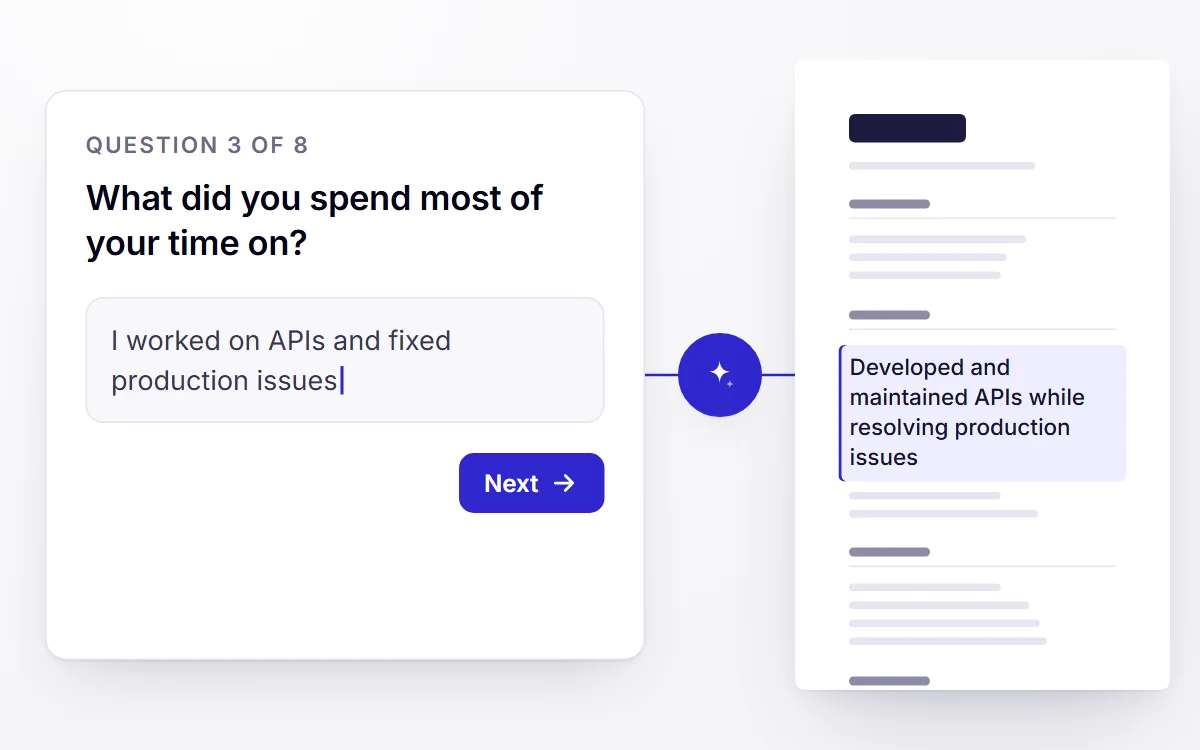
The reason most cover letters get skipped isn't that nobody reads them. It's that most of them repeat the resume in paragraph form, which gives the reader no reason to keep going.
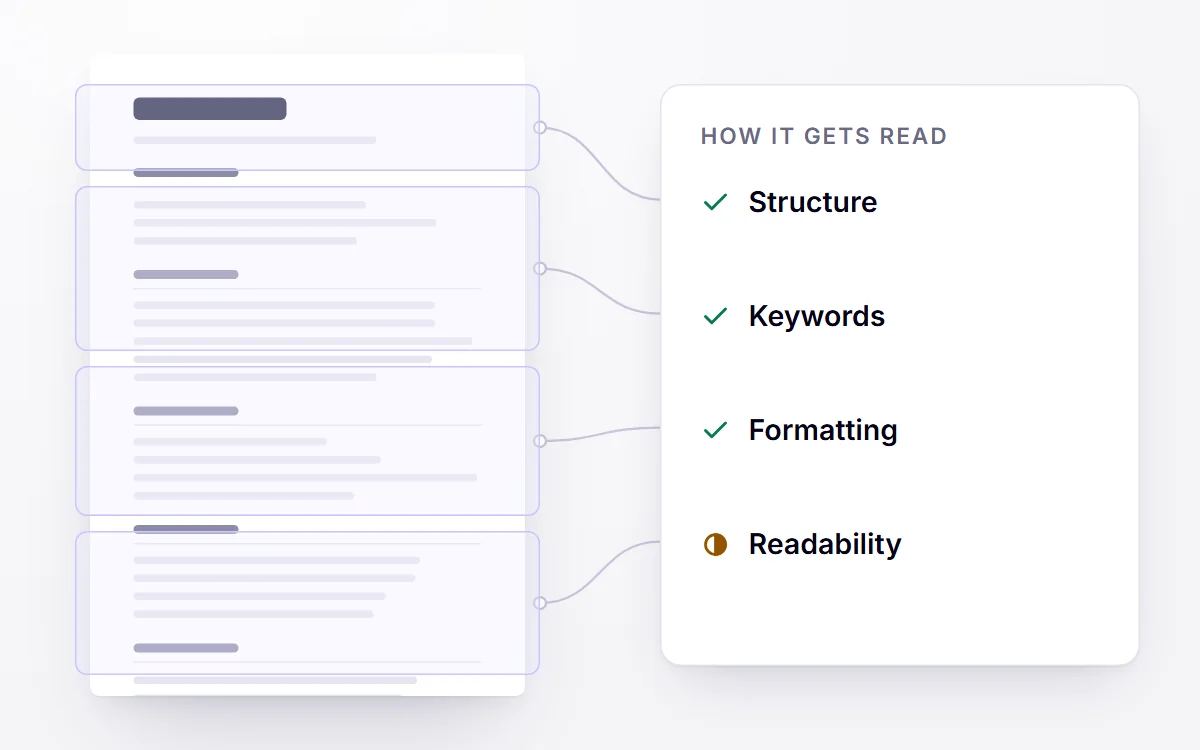
Applicant tracking systems are widely misunderstood. Here's what they really do with your resume, and which popular advice is simply wrong.